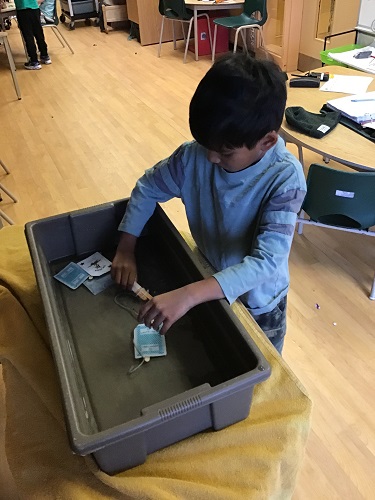
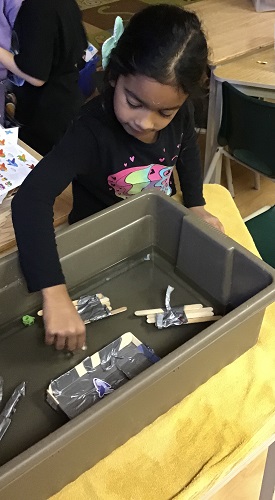
This month we set out a creative centre with popsicle sticks and one of our children began to use the materials to build a boat. We ended up taking their idea and creating a station where everyone could build and test out their boat with a mini pond. We set out different sized popsicle sticks, playing cards, various yarn and string, different kinds of tape (scotch, packing, and duct), crayons, stickers, and scissors. We also filled a large sensory bin with water so they could trial their boats and make any needed adjustments.
Theo started with a few popsicle sticks and began to tape them together, while Hudson began cutting string so he could attach two pieces. Eventually, they agreed to combine their creations and make a tug boat. At first their boat started to float, but then we tried to add a miniature on top of it to see if it could hold any weight like a real boat. Unfortunately, the popsicle sticks took on water and sank to the bottom. Ariella also tried a boat purely of popsicle sticks and a bunch of duct tape, but quickly saw it buckle under the weight of the miniature. After a few other children tried a combination of just popsicle sticks, they asked for inspiration about what it could look like so that it could withstand the weight of the miniature and keep the water from flowing in. We looked on the iPad for different variations of popsicle stick watercrafts and began to talk about how to use the materials in a way that would protect our creations. We began discussing the different qualities of each kind of tape - the Scotch tape was perfect for decorating because it has a porous side, the packing tape was great for the children to be able to practice cutting the tape themselves, and the duct tape was a perfect addition especially when they figured out that it is waterproof and is the best option for creating a sealant.
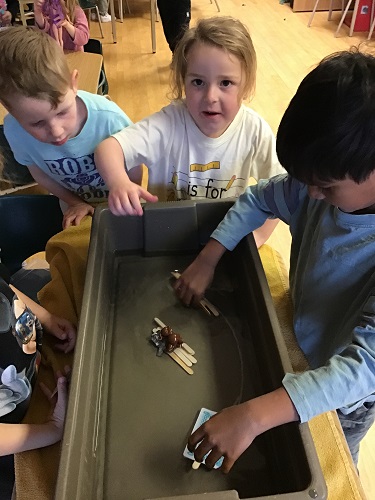
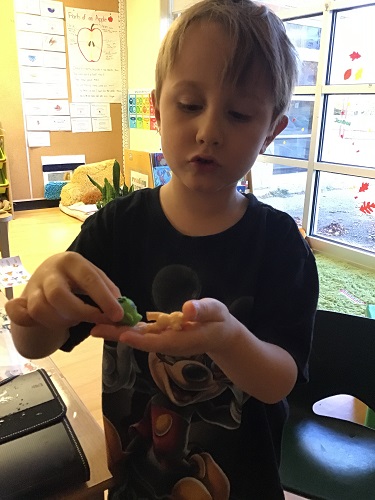
While a few children were huddled around looking at photos for inspiration, Olivia quietly came over and began constructing. Within minutes she had created a boat that was able to hold its weight as well as the miniatures, and float! She was smiling, as she was the first child to get a watercraft to stay above water while holding its own and additional weight.
Theo quickly began making a second boat, this time with a more ergonomic shape and covered in duct tape (we made the comparison that it kind of looked like a pod racer from Star Wars). When we put the miniature onto the boat, it started to sink and Theo suggested that, considering the size, they might need something lighter. When he tried a second, but lighter miniature, it held its form and floated!
Hudson was also using his engineering mind and considering different elements that might be a factor for keeping the boat afloat. He had brought over two miniatures and began rubbing his fingers along the back of them describing the different textures and asking if this might make a difference. What a great question! We love being able to co-learn alongside the children and feed into their sense of wonder!
Grayson was also a child that really took to this activity. At first, he wasn’t sure how he wanted to construct his boat, but after taking some inspiration from photos as well as looking at what his peers had created, he got to work. He began asking for duct tape and we worked together to keep it in one piece, considering the tape seems to want to fold onto itself. Eventually he moved onto scotch tape and I noticed that he was having a hard time getting the tape to rip in the spot he wanted. We practiced our pincer grasp by making two crab claws and moving them back and forth each time we needed to make a rip. After a few tries he was finally able to get it himself and both of us were beaming with pride!
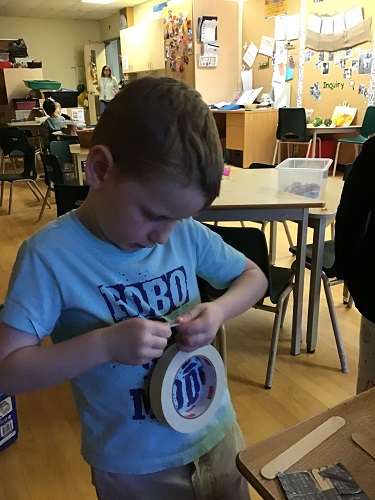
We loved watching the children engage with this activity. It allowed for them to develop:
Social problem-solving skills by sharing materials and working together to create their watercrafts. Fine motor skills through the use of scissor and different types of tape. Cognitive abilities through their inquiry and measurement of length, weight, and capacity. Positive attitudes towards learning, such as persistence, engagement, curiosity, and a sense of mastery as they worked hard to make a boar that worked.
We will continue to incorporate STEAM activities into our program: Lego ziplines are a great next option we could try! If you are looking for activities to engage your children at home, National Geographic Kids have some great ideas for STEM experiences: https://kids.nationalgeographic.com/science